Leaving Vlissingen Finally!

Goedemorgen,

clip_image001 clip_image002

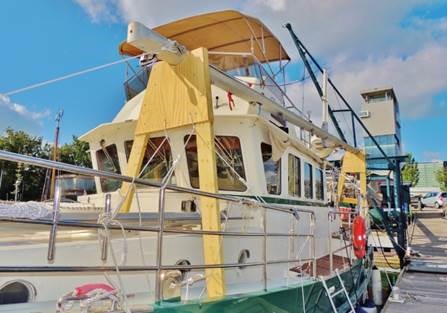
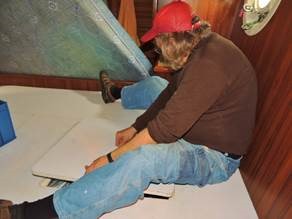
Two photos are worth a day’s work!  Several days actually with lots of waiting for the wind to stop in-between.  The paravane stabilizing arms came down several days ago but we had to wait for the wind to totally stop before the mast could be safely taken down.  Yesterday the wind stopped and the morning rain came and went until noon when it finally stopped and the sun was showed up for the finishing touches. 

Hans the marina manager is on the white boat across the dock; Randal on the crane winch raising the mast and Rick and Mary on more lines as the mast is set into the cradle that will carry it along our river trip.  It had to be set into the cradle so not to block the deck and had to be high enough so we could get under it to work with the lines on that side of the boat.

By Randal and Rick building the cradle and using the 14 Euro crane to take down the mast themselves, they probably saved about 2,000 Euro which is what friends paid to have their mast done!  It was terrifying for me to think about and looked scary to watch, but it all worked pretty smoothly.

So this morning we’re off by 9:15 to catch the bridge opening times between here and Middelburg though we won’t stop there as we visited it Monday by train.  Could have probably walked there as the train trip was 7 minutes and we walked further than that to Charing Cross when we were in London. 

Not sure when we’ll have wifi again, but when we do I’ll try to send the photos of Middelburg.

Ru

National Mill (Windmill) Day

Goedenavond,

    It is 7:45 pm and the sun is till high in the sky.  We hung laundry out to dry at 5 pm and the sun and wind are still working at drying several pairs of jeans.  Quite amazing. 

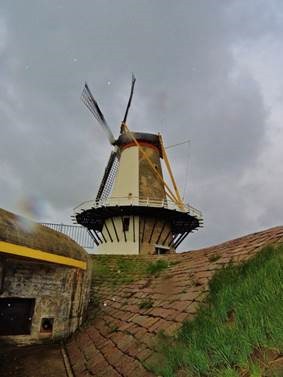
Yesterday was the Sunday of National Mill Day weekend.  I browbeat everyone into going out into the wind and drizzle just so I could visit a windmill on National Mill Day and write about it.  Well it almost worked.  We did visit the windmill in Vlissingen, but alas, it was closed for renovation.  Rats! 

    It is very frustrating looking up info about what we see as most sites are only in Dutch.  It’s been easier almost anywhere else which seems mind boggling to me as you’d think there would be more English available in Europe than Asia or Turkey.  But so far that’s just not true.  It’s a real system shock from being in England.

Ru

National Mill Day

The second Saturday and Sunday in May is National Mill Day in Holland. On that day 950 windmills and watermills open their doors to visitors. For centuries, mills have played an important role in reclaiming land, processing raw materials and manufacturing products. Mills barely have any economic value these days, but they are iconic for Holland and still attract a great deal of attention.

Visit a mill

     Visit one of 950 mills that open their doors on National Mill Day. Millers make a real effort to decorate their mills as beautifully as possible with flags and flowers. A miller will take you on a tour, providing a good explanation of the type of mill you are visiting. It could happen that you will be asked to give the miller a hand in turning the sails. Fun activities are often organized for children, allowing them to become familiar with the miller’s trade in a playful way.

http://www.holland.com/us/tourism/article/national-mills-day.htm

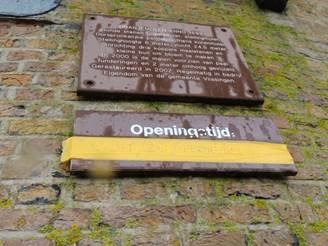
Vlissingen once had 23 mills, but only the Oranjemolen survived. The mill was probably built in the 17th century and was first mentioned in 1699. The area around the mill has been used as a landing site twice – 1809 in the Napoleonic Wars and 1944 in WWII. Both left some scars in form of bullets and holes in the windmill.  In 1971, it was refurbished.  It was used to separate the husk from the grain, later to produce flour. The mill is operative and can be visited every Friday and upon request.

http://www.virtualtourist.com/

“One of the first images that comes to mind when people think of Holland, no matter where they are from, is a windmill. Funny enough, windmills are not a Dutch invention at all. So how come they ended up as an icon for everything Dutch? “

http://magazine.dutchancestrycoach.com/

Windmills are said to have existed in Holland from about 1200. The first record we have of drainage mills dates from 1414 (Reijerwaard). Before those days, windmills are mentioned, but these must have been corn mills……..

     After 1400, when major sea-defenses had been first constructed and the communication of several waters with the open sea had been dammed up, it became possible to drain pools and lakes. For this purpose windmills were used, and accordingly were built in constantly increasing numbers. At first these were not yet the large mills as we know them, which date especially from the seventeenth century, but smaller mills of the hollow post-mill type.  …..

     As windmills grew better and larger their water-lifting capacity increased and they became more numerous. According to the records it was about 1526 that a wip mill was replaced by an octagonal smock mill with a revolving cap. This must have had a winch in the cap, for it was not until the second half of the sixteenth century that smock mills with tail poles were constructed. After that, the possibilities increased rapidly. We find entries about the first oil mill in 1582, a paper mill in 1586, a timber sawmill in 1592; after 1600 windmills arose everywhere and were constructed for a wide variety of purposes.

     In the nineteenth century there were about 9,000 windmills in Holland; all these turning sails and the general activity to which they bore witness must have produced an overwhelming and unforgettable impression on the Dutch themselves as well as on foreigners. They imparted a special character to the country. In the Zaan district alone 900 windmills were working virtually night and day; they powered the industries of those days, and they were the precursors of the later big foodstuff industries, the paper works, and the saw-mill yards which exist there to this day.”

http://www.let.rug.nl/polders/boekje/history.htm

clip_image001

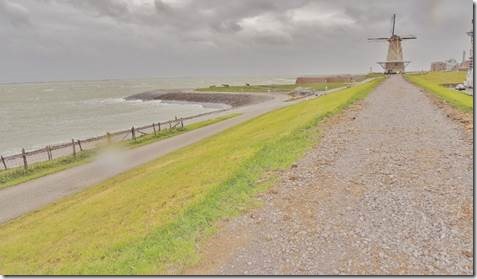
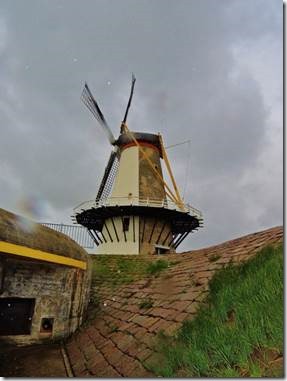
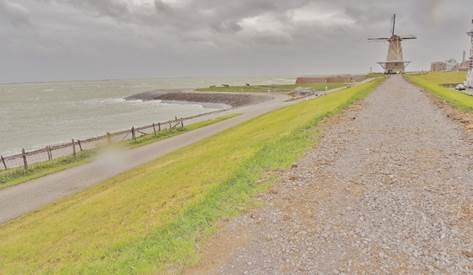
Drizzle and strong winds didn’t stop me from visiting this windmill on National Mill Day.  You can see drops of water on some of these photos.  The wind really was fierce right here and I could practically lean forward and not fall over. 

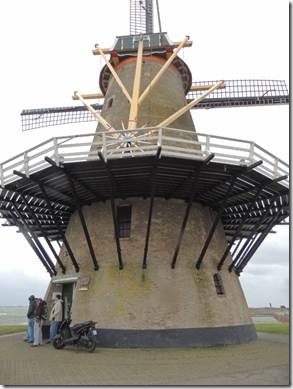
     “The Orange Mill, a flour mill and former Pelmolen the Orange Dike in Vlissingen and because of its geographical location, a good wind catcher as an eye catcher. It is a mill in 1699 is described, and thus should be built sooner. He is covered with roofing felt and has a flight of 24.50 / 24.60 meter . The mill was once proficient, and is still used to grind grain on a voluntary basis. Of the 23 mills town of Vlissingen, the Orange Mill the only one left. It is the closest beach to the grinder Netherlands . Several times, the mill suffered in war. A bullet from the British fleet in 1809 was still in the southwest side of the mill wall there. There are still traces of the Second World War to find – the Allies landed in 1944 near the mill.”

http://www.travelwithtaangoo.com/locations/view/Vlissingen

clip_image002clip_image003

Oranjemolen   Orange Mill  I’m guessing for a color and not for the food as the word for the edible orange is sinaasappels.

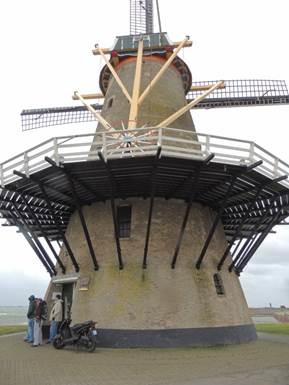
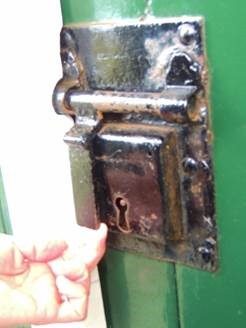
We huddled out of the wind and drizzle at the locked door of the Windmill.  How disappointing!

clip_image004 clip_image005

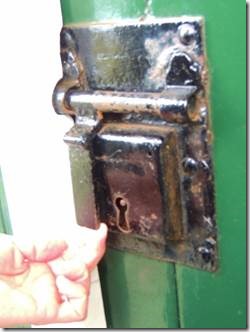
A lock to a lock.  Normally open on Fridays, this mill was closed for renovations so not open this National Mill Day.

clip_image006

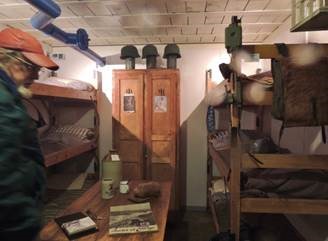
Bunker Museum

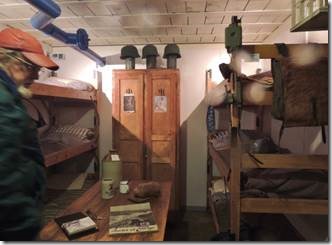
“The Bunker Preservation Foundation has equipped a number of bunkers at Walcheren in which the Atlantikwall is central.  Also considerable attention is devoted to the battle that led to the liberation in November 1944 at the mouth of the Westerschelde. This battle is known as the Battle of the Schelde”

http://vlissingen.com/en/museum/108/bunker-museum.html

http://www.battlefieldsww2.com/Vlissingen.html tells about the defenses and battles along this coast.

Interesting to me is that the bunkers and defenses were built by the Germans to prevent Allied landings and the Allies were the ones who bombed the dikes flooding the poldars with seawater.

http://static.nai.nl/polders/e/  describes what is meant by a poldar. 
clip_image007 clip_image008

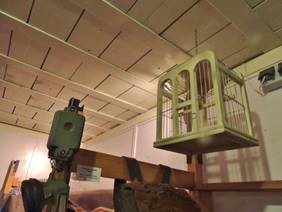
We could only stand to be inside a short time as the fumes from the coal stove were hard to stomach. 

clip_image009clip_image010

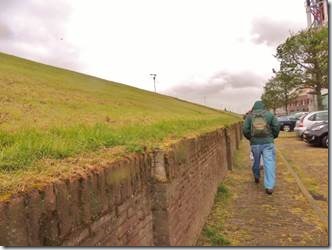
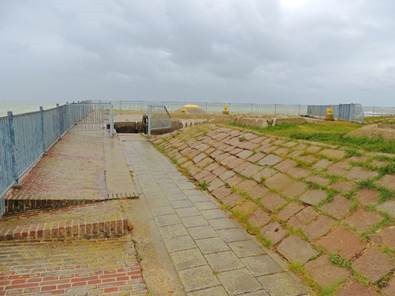
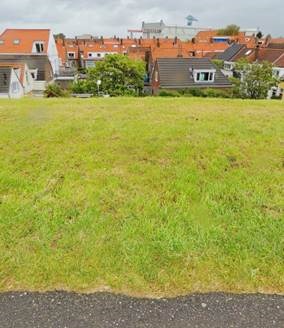
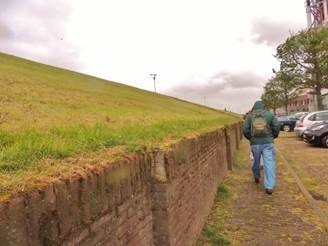
Rebuilt Dikes behind the windmill and  Bunker Museum

clip_image011clip_image012

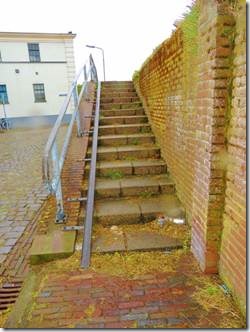
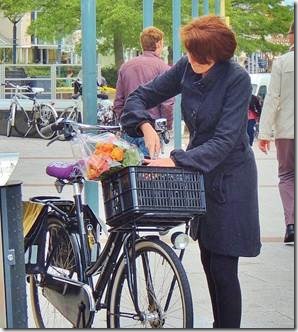
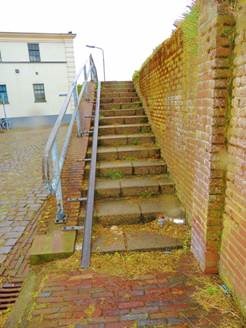
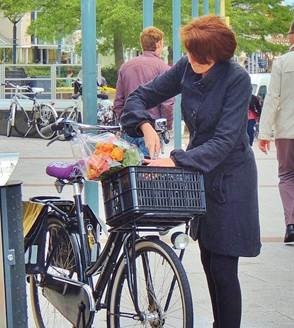
Stairs leading down from the dike with a “bicycle rail” and  a bicycle basket with roses bought at the Saturday market we visited the day before.

clip_image013

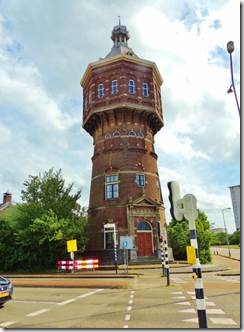
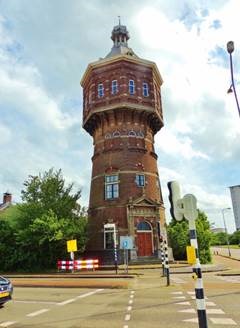
Water Tower now a holiday apartment for rent. http://www.tourist-paradise.com/vacation-rental-o52446.html

The Water tower at the badhuisstraat was constructed in 1894. Its height is 35 meters and the reservoir is 300 m³. The building is a National monument.

clip_image014

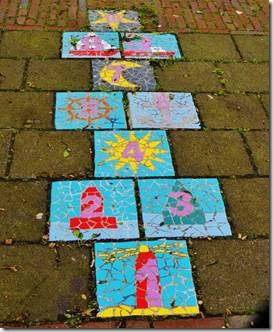
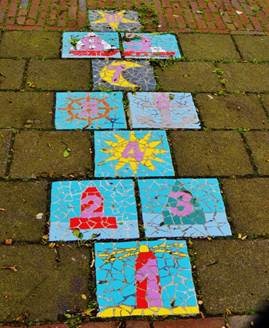
Seaside Hopscotch embedded in the sidewalk

clip_image015clip_image016

The weather was rainy and very windy so we ducked into the closest place after the Bunker Museum for coffee.  It was a do-it-yourself cappuccino machine.

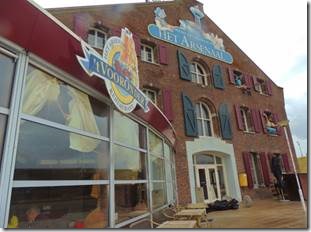
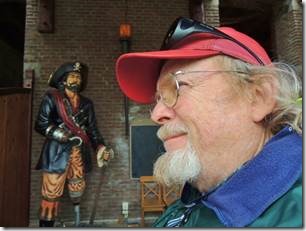
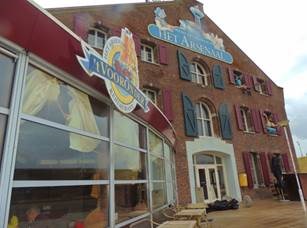
Het Arsenal….  Don’t get me started and pirate themed parks….  So this is from tripadvisor.

“The pirate adventure show was very 80ish style and would really benefit from an update. Available only in Dutch with German subtitles makes it difficult for the kids to follow. The area where the kids can touch sting rays is very interesting. Good option if the weather does not play along, mainly for younger kids. Just be aware this is not cheap – approx 50 Euros for a family of four.”

http://www.tripadvisor.com

clip_image017

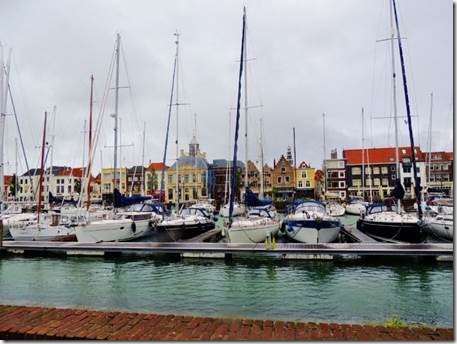
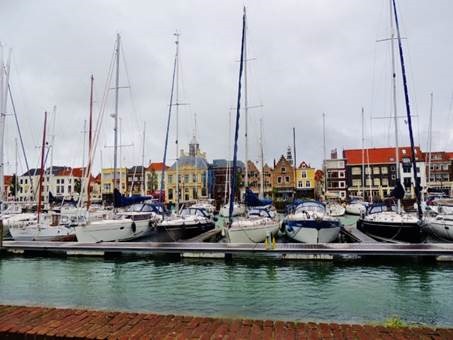
Marina in the city center on a dreary weather day.

clip_image018

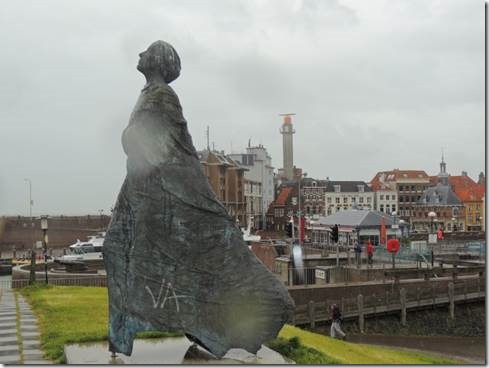
De Vissersvrouw  :  The Fisherman’s Wife by Herman Bisschop 1985 : sometimes referred to as “The Bride.”  She is looking out to sea with the city behind her. 

clip_image019 clip_image020

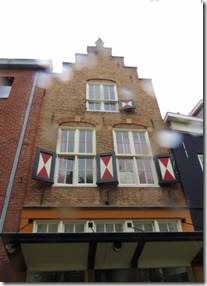
Lots of decorative touches on the buildings.  The shutter pattern is that of an hourglass.

“zandloper luiken (hourglass shutters) also known as simply zandlopers. These zandloper luiken are usually painted in the colours wit (white) and rood (red) and are typical throughout the Netherlands”

http://stoked4life2.blogspot.nl/2013/01/zandloper-luiken.html

clip_image021

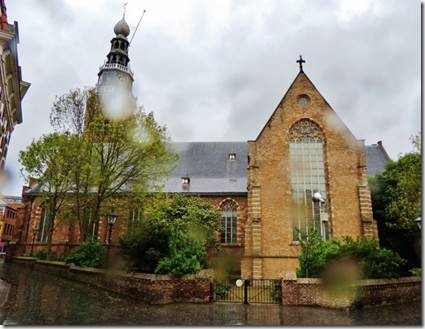
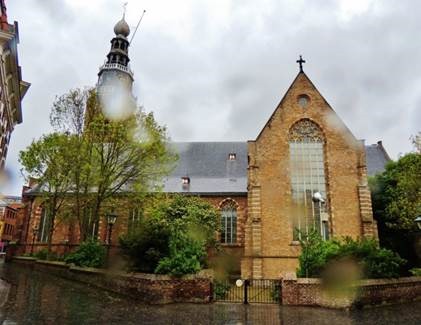
Sint Jacobskerk (St. Jacob’s Church)

Vlissingen’s main church dates from 1328 but took its present shape in the 16th century. The region was one of the first to accept the Protestant faith and the first Protestant service took place in 1572. Have a look at its tower with a medieval base and a renaissance spire. Three of the most recent restorations were results of a fire in 1911, WWII and the 1953 floods (where there height of the water in the church reached almost two metres,) the last larger restoration took place in 1998.

It is not that easy to get into the church as they have an irregular opening schedule. Usually, it is Friday and Saturday between 1330 en 1630 – with some extra days in summer and less days in the winter. Chck out their website under the menu point "openstelling".

http://www.virtualtourist.com/

clip_image022

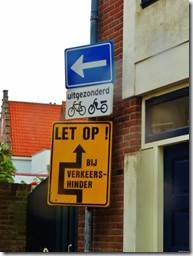
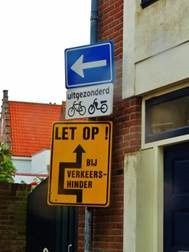
Bikes and motor bikes share paths with walkers which means I feel much more fear of being run over by someone on two wheels rather than someone driving 4 wheels.  As for the yellow sign, I have no idea !

Horses Trucks Sheep and Ducks. and a Train. And a Lobstah

Goedenavond,

     It’s 9:13 pm but still quite light out.  We walked about 7 miles today and have an early day tomorrow so everyone will cash in their chips and be asleep before dark.  Remember when you had to do that as a kid and hated it?  The wind has been fierce the past several days so taking down the mast hasn’t been possible.  Tomorrow early morning there’s a window to do it, like about 7 am.  So it will be early up to move the boat to the work area.  Once that’s done we can begin our journey for real.

Ru

DoraMac

Horses Trucks Sheep and Ducks… and a Train. And a Lobstah

clip_image001

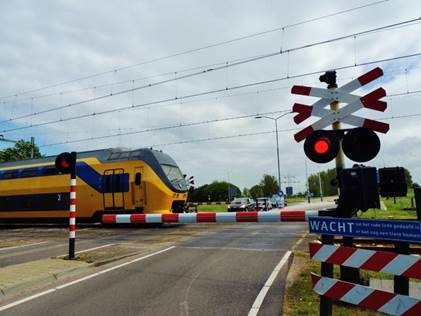
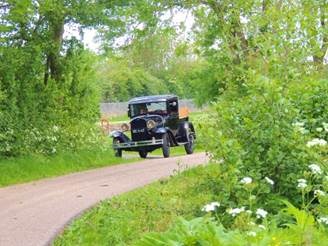
We had to wait for this train to go by… before we started off not following the direction I’d written out.  But the “serendipitous” route was more scenic and luckily there were some folks along the way to give us directions. 

clip_image002 clip_image003

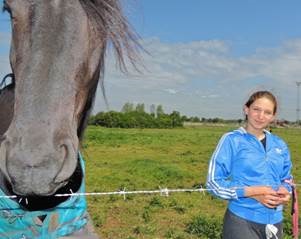
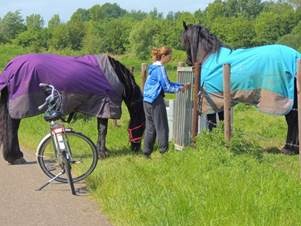
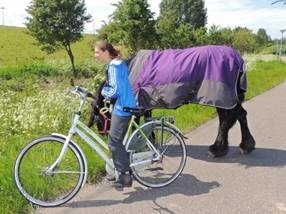
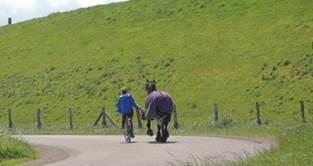
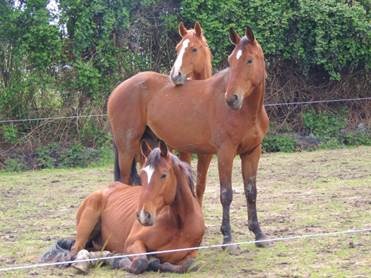
We met this lovely young woman with her bicycle come to collect her Friesian horse.  She asked where we were from and upon hearing, USA immediately said that she loved Americans.  Especially some singer who she named whom we’d never heard of.  The Friesian breed originated in Friesland, in the Netherlands.  She immediately reminded me of my niece Jessica who also has horses.  And is lovely! 

clip_image004clip_image005

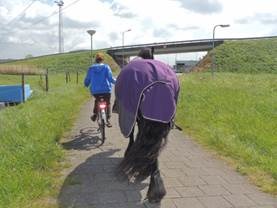
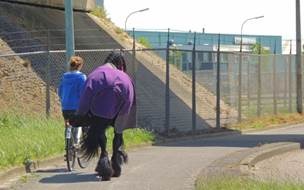
Only in The Netherlands!

clip_image006clip_image007

A very well behaved horse for sure.  But hopefully she wears a helmet when she rides horses.

clip_image008

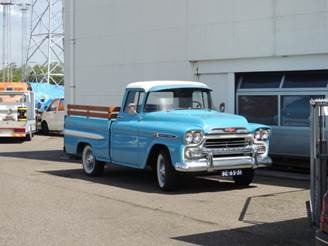
1958 Chevy : a photo Randal wanted as well as those of the Ford below.

clip_image009 clip_image010

clip_image011

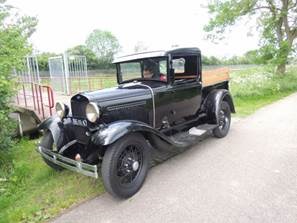
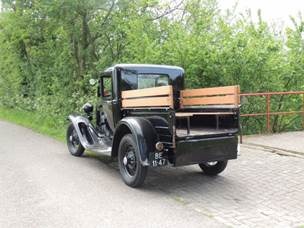
1930 Ford with NL on its plate.

clip_image012

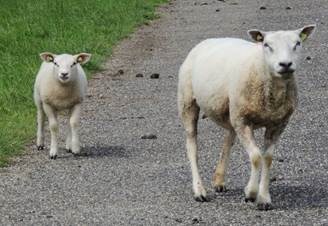
Very curious sheep that looks sort of like pigs…maybe related to Babe. 

clip_image013 clip_image014

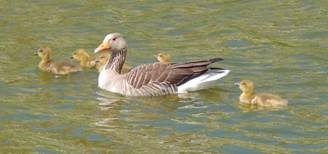
Okay Charmaine and Linda, what kinds of ducks are these?

clip_image015

Friends! 

clip_image016

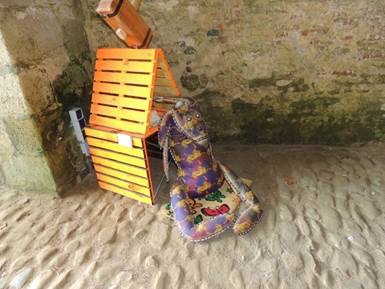
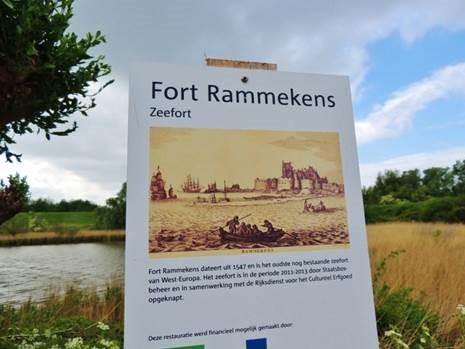
And one very funny Lobstah at Fort Rammekens with something in Dutch to explain what it was doing there.

clip_image017

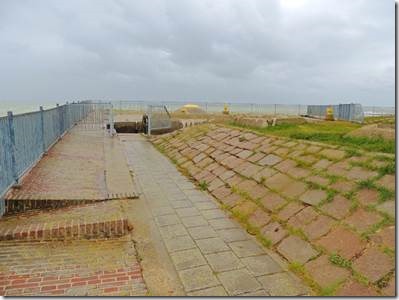
Forts are not my thing but it was a lovely walk along the sea and the dikes to get there.

clip_image018

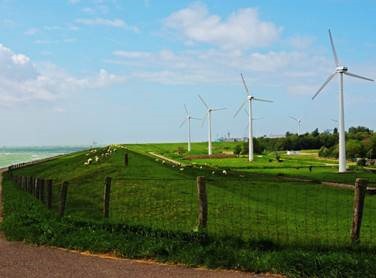
More windmills along the serendipitous route

clip_image019

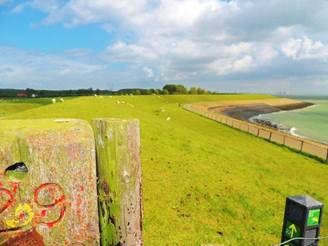
Dikes too.

clip_image020

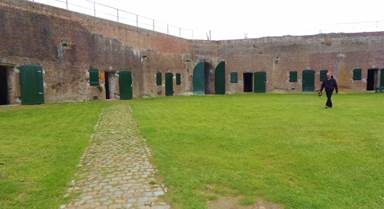
Fort entrance

clip_image021

Fort Rammekens is located in Ritthem, Zeeland,  in the Netherlands .  It was built in1547. It is the oldest coastal fortress in Western Europe.

Vlissingen part 2

Goedemiddag,

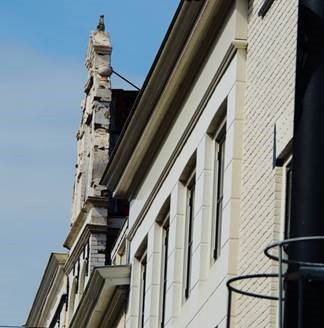
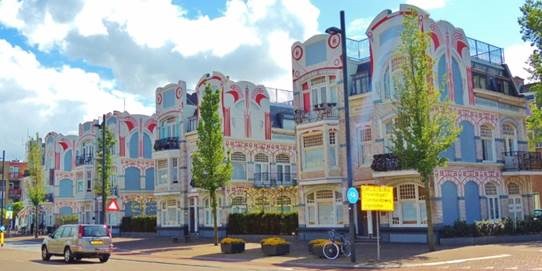
Some interesting art and architecture.

Ru

clip_image001 clip_image002

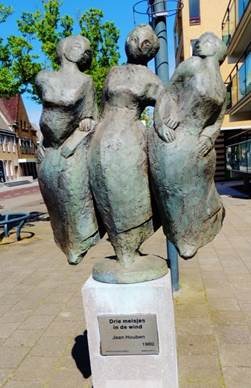
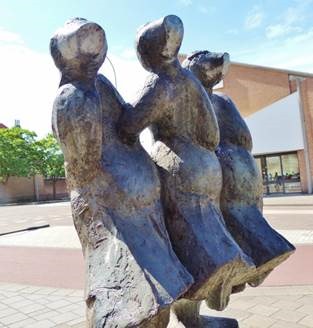
Three girls in the wind by Jean Houben.  The date on the sculpture is 1980.  The only info I could find about Jean Houben is birth and death dates, 1942-1981 so he died just after this was completed.  I really like it.

clip_image003clip_image004

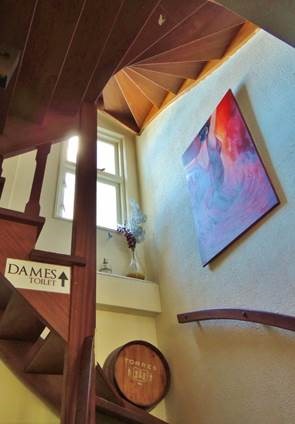
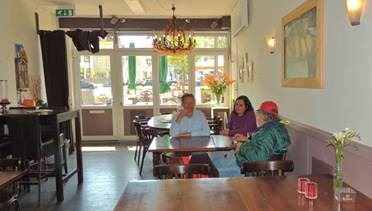
We stopped for coffee in a very photogenic café

clip_image005clip_image006

Fish heads painting..

clip_image007 clip_image008

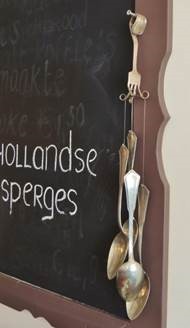
Fork windchimes

clip_image009

Interesting town fountain.

clip_image010 clip_image011

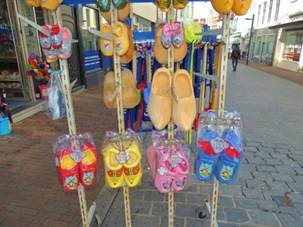
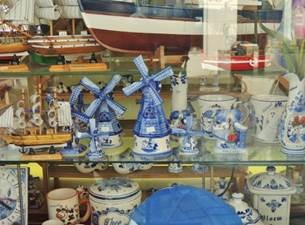
Wooden shoes and windmills : Dutch souvenir shop

clip_image012

clip_image013

clip_image014

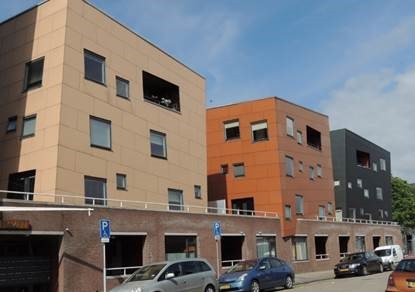
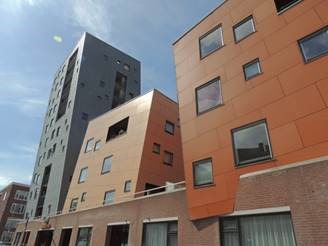
Very strange building complex.

clip_image015

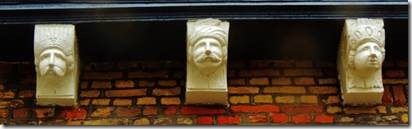
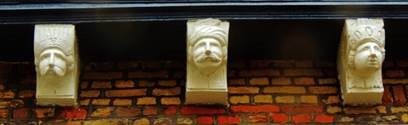
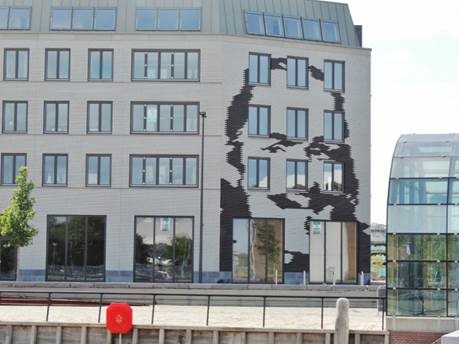
I think this was worked into the brick-work of the building.  Different!

Town Center Vlissingen part 1

Goedemiddag,

   Late yesterday afternoon it was too windy for Randal and Rick to work so we walked into the town center.  As we’re in The Netherlands, mostly everything is written in Dutch.  So The Netherlands emails will be mostly pictures and not so much info.  Maybe a nice break for everyone.

Ru

DoraMac

Holland or The Netherlands?

http://www.internationalstudents.nl/   (The simple answer is that Holland is only part of the Netherlands; but this website explains more. 

“Vlissingen is a city and municipality in the southwestern part of the Netherlands in the province of Zeeland and is located on the former Walcheren isle. The city was historically known as “Flushing” in English. Vlissingen’s harbor was so significant throughout history that the city received its own English name.  In fact, Flushing, New York was named after Vlissingen.  When I read that Flushing was the English version of Vlissingen I thought of my mother who grew up in Queens.  Flushing is part of the borough of Queens.   And New York City was once New Amsterdam.

The city of Vlissingen dates back to 620AD. Since that time, it has grown to become the third most important seaport in the Netherlands. It was the counts of Zeeland and Holland that commissioned the digging of the first harbors in Vlissingen. Throughout history, the port became a major hub for fishing, privateering, commerce and the slave trade. During the Dutch Golden Age, ships from the port would set sail for outposts in the Dutch colonial empire.

Because of its strategic location, Vlissingen was often the center of great conflict. It was sought after by the British, the Germans, the French and the Spanish at one point or another throughout history. Floods were also a great threat to the city. During the 18th century, the city fell into decline until the late 1800’s when the economy was revived thanks to the railway and a new shipyard (De Schelde).

During the 1960s, Vlissingen’s seaport and industrial area flourished and now generates thousands of jobs for local residents. Approximately 50,000 ships pass through De Schelde each year.”

http://www.netherlands-tourism.com/vlissingen/

clip_image001

clip_image002

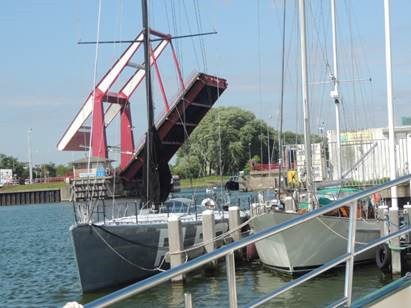
Sitting in our pilot house we can watch the bridge raise for traffic though this pulling boat could just pass underneath.  It reminds me of my Outward Bound boat though we had 2 masts for sailing backwards into the wind.  Long story.  The next day we saw a boatful of women row past.

clip_image003

clip_image004

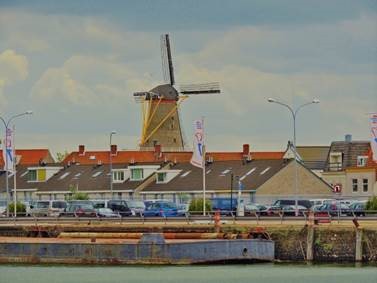
Most windmills in use today are the tall white version in the lower photo.  Not sure if the old fashion ones are used for anything other than show. 

clip_image005 clip_image006

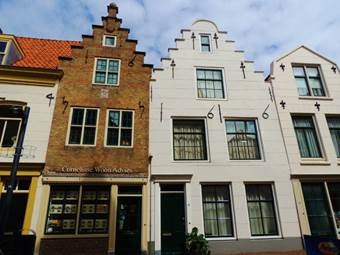
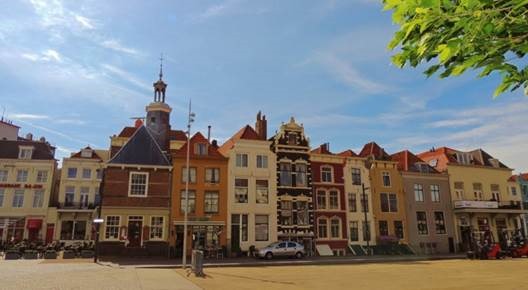
Town Center is a mix of old and new.  See the lifiting hook on the top of the yellow building to raise things to the upper levels.  Building were taxed by the frontage along the road so they were build tall and narrow.

clip_image007

The lovely fronts are a façade as you can see in this side photo.

clip_image008 clip_image009

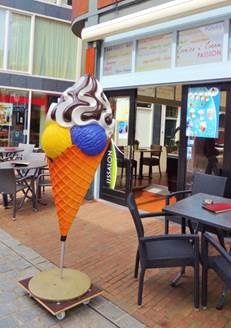
Giant ice cream cones.

These lovely adverts caught my eye in 2000 when Randal and I did a bike – barge trip loop starting and ending in Amsterdam.  The one on the right looks particularly tempting.

clip_image010

I have no idea!

clip_image011

Some kind of strange bus though the vehicle of choice here really seems to be the bicycle.

clip_image012 clip_image013

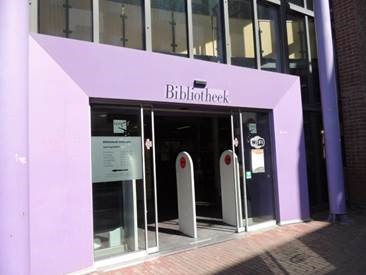
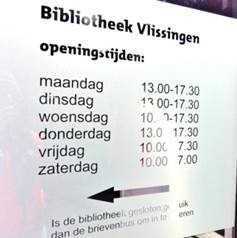
        Great working hours for the public library, though not sure how accommodating it is for patrons.

clip_image014

Vlissingen center

clip_image015 clip_image016

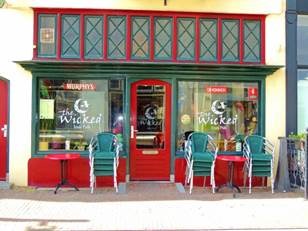
Pubs of all kinds selling Bier.  I have fond memories of seeing the London production of Wicked with Valerie. 

clip_image017 clip_image018

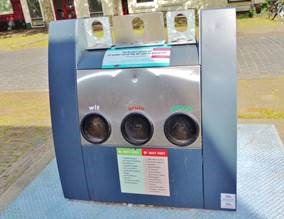
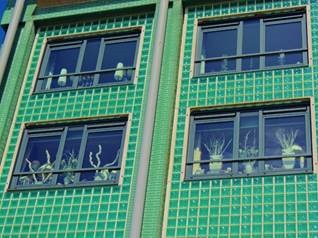
Recycling center along the street  and a building front of green glass bricks.

clip_image019 clip_image020

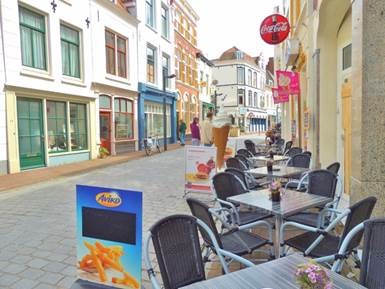
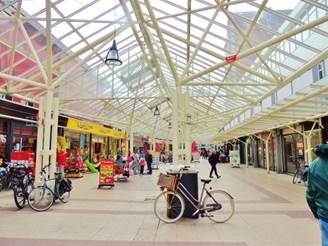
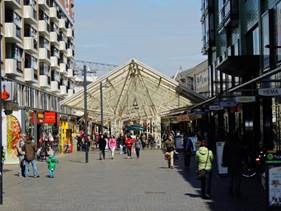
A pedestrian mall

clip_image021

Beat swords into ploughshares…..or bury cannons in the ground to use as mooring bollards.

clip_image022

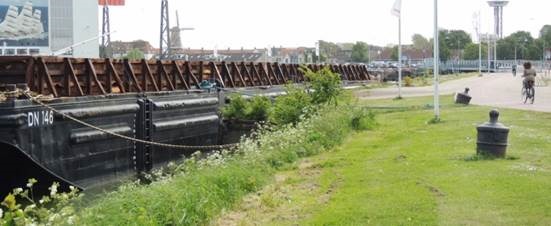
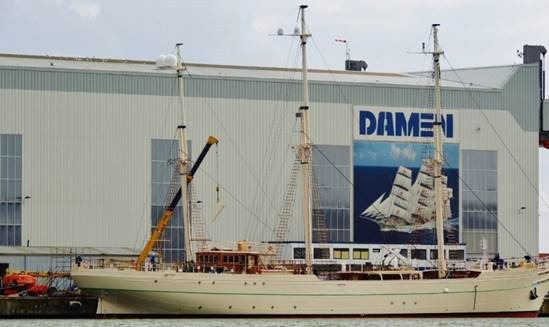
Ship builders just behind us on the Kanaal Door Walcheren which begins just about where we are. 

“The difference between a canal and a river is that a river is the work of nature, and a canal is a channel for water made by men.” http://groundreport.com/the-difference-between-a-canal-and-a-river/

clip_image023

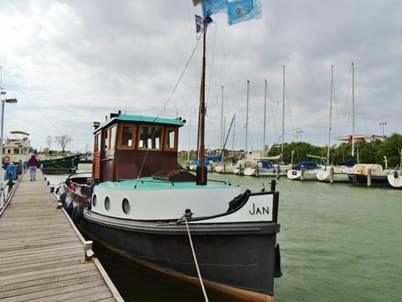
I really like this boat.

The man who lives here has a motorcycle that he keeps in back and what looked like a big fluffy black cat. 

First story from Vlissingen

Goedemiddag,

    You can probably guess what that means: good mid-day or afternoon. 

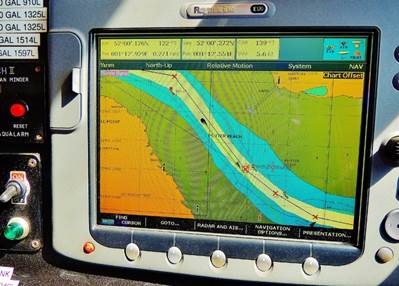
Our passage from Ipswich to Vlissingen was quite comfortable with mostly smooth seas; no rolling or bumping along from wind or waves.   The only tricky part came when during my watch I noticed blobs on the radar and lots of lights that didn’t match our charts.  We would be passing near a section of Dutch wind farms out in the North Sea just before 2 am.  My watch was from midnight to 2 am so I was the first to notice that all of the lights I saw, and the radar blobs didn’t match the chart.  Luckily Rick got up early for his 2 am watch so we could discuss it.  And Randal and I had talked about it at midnight but he figured by 2 am we wouldn’t quite be there so I need not worry.  But  worrier that I am and seeing all of those unexplained lights, I was glad Rick came along early or I would have gotten Randal. Actually I woke Randal as well anyway so he and Rick could plot a new course.  New windmills had been added since the electronic chart had been made so were not marked on it.  Everything else was smooth sailing.

   We arrived at the lock around 7:30 am but had to wait for our chance to get locked in.  The marina is mostly full but our spot on the very end dock is just fine; our water hose and power cord able to reach the pedestal for hook-up.  And the wifi is free!

   Boat projects are taking precedence over touring.  The mast and stabilizers must be taken down and a cradle built to carry it during our river journey.  It will be an interesting experience just completing all of the preparations before we can even begin.

Ru

Passage to Vlissingen

clip_image001

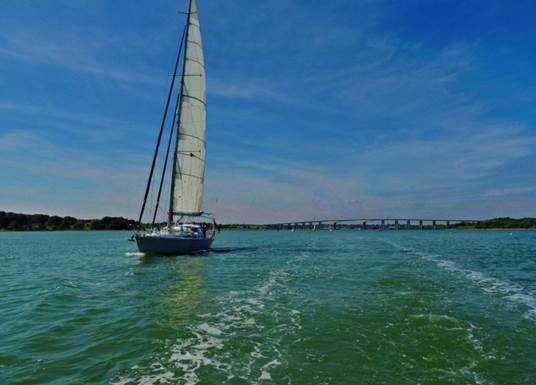
Leaving Ipswich : The Orwell Bridge is tall enough so masts can pass under.

clip_image002

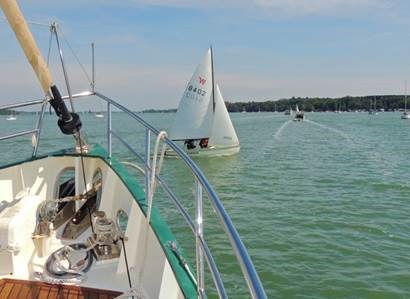
A sunny day, plus long weekend with Monday’s Bank Holiday made for a very crowded river with boats under sail having the right-of-way.

clip_image003

Randal and Rick had marked out a track on the chart.

clip_image004

The Victory, once a Thames barge, now takes passengers from Ipswich on a river cruise. 

Technical difficulties late morning at the lock caused them a late departure.  From radio chatter between other vessels and the lock keepers;  the paying guests were not pleased.  The Victory was allowed to go to the head of the line of the several boats waiting to leave the marina.  Our departure was planned for 2 pm so we had no problems getting “locked out” from the marina into the river. 

clip_image005

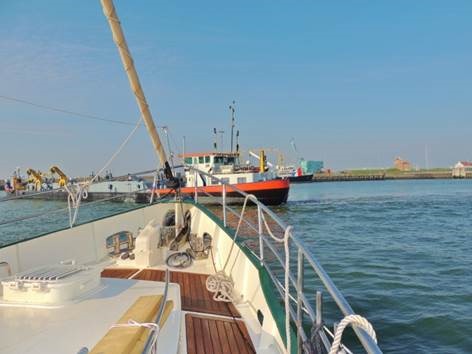
Arrived in The Netherlands waiting to enter the lock at Vlissingen.

clip_image006 clip_image007

Our spot at Jachthaven VVW Schelde

clip_image008

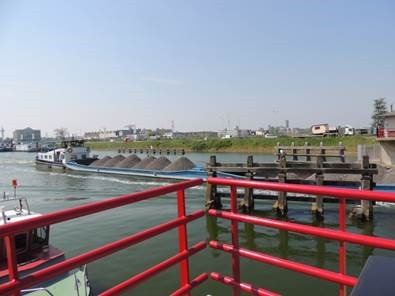
Also a working river; the bridge just past the marina; between us and the supermarket, was raised to let some sailing boats and this barge go through.

clip_image009

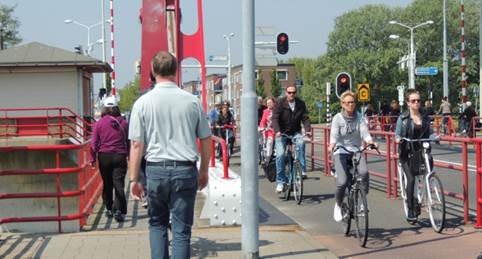
Lots of cycle paths and people on bicycles, almost none wearing helmets. 

clip_image010clip_image011

clip_image012

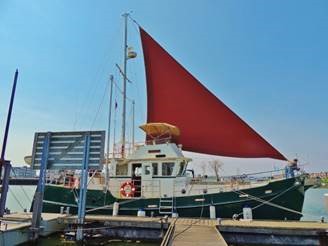
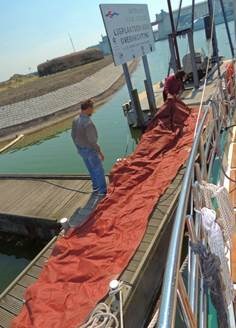
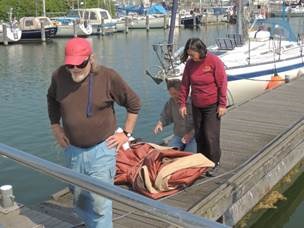
To pass under some bridges between Vlissingen and the Black Sea, our mast and paravane arms must come down.  First task was to take down and store the sails. 

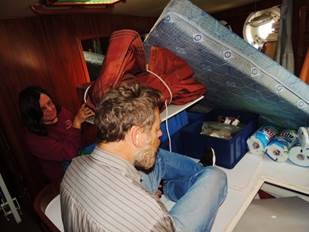
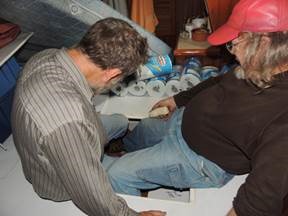
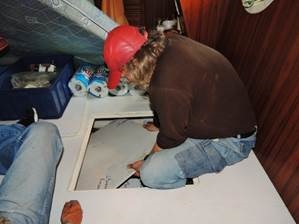
Amazingly both fit under our back cabin mattress along with several boxes of spares and other boat supplies already stored there.

clip_image013 clip_image014

clip_image015 clip_image016

A combination of brawn and brains to get it all stowed away.

Arrived in Vlissingen

Goode Morgen (or something like that I have to learn.)

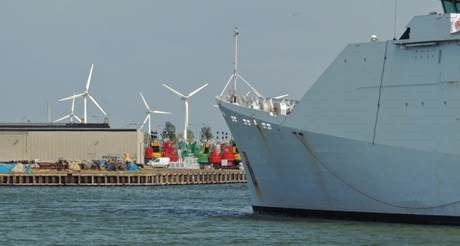
Just a quick email to let you know we’ve arrived safely in The Netherlands after a rather smooth passage.  Lots of windmill farms in the North Sea.  Lots and lots.

Ru

Dora Mac On The Move

May 3, 2014

Ipswich Haven Marina

Ipswich Suffolk England

Cheers,

   So this is my final email from England!  The time has passed much too quickly.  I’m eager to be home finally in VA, but would have stayed longer if that had been possible.  There’s just so much to see that’s new yet so much seems so familiar having grown up in New England.  

    I still have some Ipswich stories to share, but for now here’s Randal’s info about our immediate plans.

Ru

We will depart Ipswich tomorrow, Sunday, for Vlissingen, Netherlands. It is a 104 NM, 17.5 hour trip and we will depart just before high tide in Ipswich around 2:00 PM. We will enter the canal system at Vlissingen and remain in the river/canal system until we reach the Black Sea, hopefully in late August.
It is 3,900 Kilometers from the North Sea to the Black Sea. Below is a link to some maps of that voyage. Rivers use Kilometers instead of Nautical Miles which is what we are accustomed to. The 3,900 Km is equivalent to 2,106 NM.
After entering the canal system, we will find a marina with a crane and lower the mast onto cradles we have yet to build though we have the lumber onboard to do so. We also have to stow the paravane poles on deck as we need to get our air draft down below 6.8 meters. After removing the mast and poles, our air draft will be 4.6 meters so will be fine going under bridges.
We should be able to find wifi all along the way. Rick and Mary, who arrived on Thursday, will be with us all summer all the way back to Turkey. Rick installed a super duper wifi antenna on the flybridge railing that can accommodate all our computers. Rick and Mary did this trip in 2011 and said wifi was readily available along the way. We anticipate this being a very fun trip without the threat of high waves, only flooding and running aground in shallow water.

Click here to see where we are going…

Sincerely,
Randal Johnson
www.mydoramac.com

"It is not the strongest of species that survives, or the most intelligent,
but the ones most responsive to change" – Charles Darwin

Pin Mill down the Orwell Part 1

Cheers,

   I won’t be typing this address much longer!  I’m still having to get used to the idea that “the locals” speak English and soon we’ll be moving to where they don’t.  I’m going to make at least one or two more visits to the book shelves at the Charity shops to load up.  I still have my Kindle but I find it’s more fun browsing for books than scrolling through Amazon.  A £ 1 Charity shop paperback is usually a better read than a 99 cents Amazon download.  Or so it seems.

     Mary and Rick will return from Turkey this evening hopefully bringing some sunny Marmaris weather.  Ipswich seems to have more rain than London.  Or so it seems.

Yesterday Randal and I took the bus to Pin Mill further down the River Orwell from Ipswich.  “The River Orwell flows from Ipswich  to the North Sea at Felixstowe and Harwich. It is used by commercial ships bringing cargoes to and from Ipswich Docks. The channel was dredged in World War II.  Until then lighters went out to big ships, anchored below Pin Mill, to take off some of the cargo so that the ships could rise and be able  to sail up to Ipswich.” 

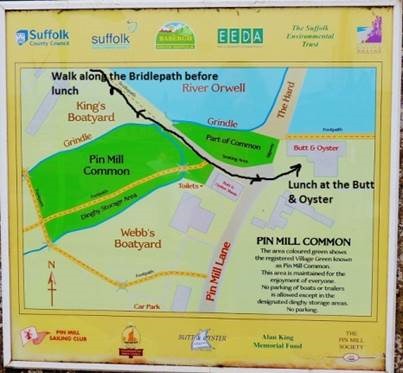
Sailing barge racing: a slow boat to a past century  http://www.telegraph.co.uk/  gives a bit of the history and the modern uses of those sturdy old barges.  We took the bus from Chelmondiston and then walked the half mile down the road to Pin Mill Common for lunch at the Butt & Oyster.  Lunch started at noon and we arrived at 11 so went off for a walk by river and fields.  It was a lovely few hours and we wish we’d had more time for bus adventures. 

Ru

Pin Mill on the River Orwell

clip_image001clip_image002

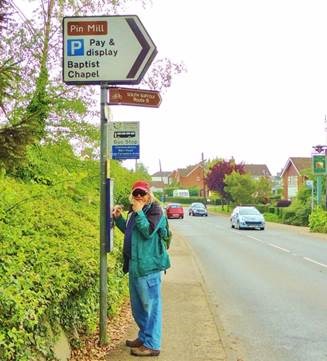
Bus to Chelmondiston with a stop in tiny Pin Mill

clip_image003 clip_image004

The single lane road from the bus stop down to Pin Mill was lovely though, popular so we had to keep a watch out for cars.

clip_image005

“The origin of the place name is unknown. Several theories have been suggested. One is that many decades ago there was a mill in an adjoining field that made wooden pins (treenails) used in the manufacture of wooden boats. (Jonathan Webb of Webb’s boatyard still has a Trunell Mute used to hammer wooden pins into planks). Another suggestion for the place name is that a father gave the land to his daughter for Pin Money. (A dress allowance). A will of a John Crane in the 1600s mentions two pightles (small fields) at Pinneharde in Chelmondiston. Other wills mention Pynd Fold, either a pen for fish or cattle. But the derivation of the name remains vague.”

http://www.pinmillsociety.org.uk/index.php/history

     “The river at Pin Mill must be one of the most popular subjects on the English coast for artists.  A very picturesque spot worth a visit at any time of the year, Pin Mill is a small riverside hamlet at the end of a lane half a mile from the village of Chelmondiston.  There are a few houses, two boatyards, an art gallery, and the ever-changing river with attendant birds constantly on the move, scurrying yachts and majestic Thames barges.

     Pin Mill had links to smugglers in the 19th century – these are long gone but the 17th century Butt and Oyster Inn still exists and is a thriving pub/restaurant.  Arthur Ransome  lived close to the ‘Butt’ and used the river as his setting for the Swallows & Amazons book ‘We didn’t mean to go to sea’.   Pin Mill also featured in the popular BBC ‘Lovejoy’ series.”

http://chelmondiston.onesuffolk.net/pin-mill/

http://auctionpublicity.com/  shows Edward Seago’s Painting of the Butt & Oyster which recently sold for £39,650

Seago died in 1974 “The Prince of Wales, Prince Philip and the late Queen Mother were among those who admired and collected his pictures. The Prince of Wales was also a fan and once wrote: “Whatever the so-called experts may say, Ted Seago’s gifts will long be remembered, valued and loved. His work was in the best tradition of that peculiarly English school of landscape artists.”  http://www.ipswichstar.co.uk/

As for John Constable or Thomas Gainsborough, I can’t find any specific connection with either artist and Pin Mill searching a very slow Internet. 

clip_image006

clip_image007

clip_image008

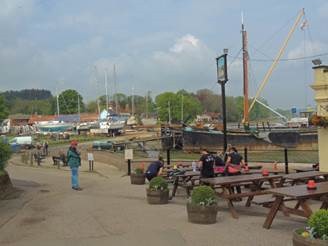
“The earliest building is the Butt and Oyster public house, which is mentioned in 1456 when the Water Bailiffs’ court was held there. Inquests were also held in the pub, as many instances of drowning occurred in river accidents.”

http://www.pinmillsociety.org.uk/index.php/history

clip_image009clip_image010

clip_image011 clip_image012

Randal day-dreaming of a house in Virginia….

clip_image013

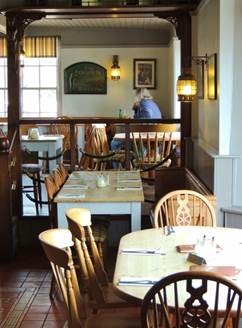
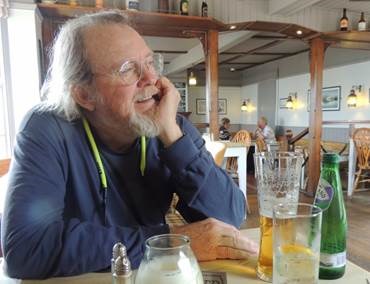
The best thing about good pubs is that you see men and women of all ages. 

clip_image014 clip_image015

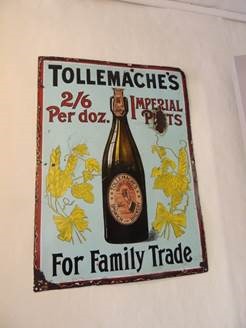
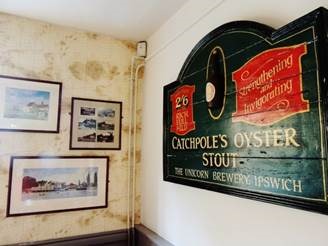
Familiar brewery names from Ipswich history : Tollemache and Catchpole

clip_image016

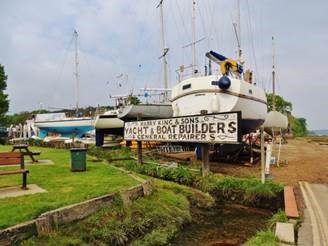
“Yachting was a popular recreational activity and William Garrard started a boat building business c1850. Harry King was apprenticed to Garrard and in 1896 Harry took over the business. The Harry King and Sons sign near Pin Mill Common is well over 100 years old. The Kings built and repaired many wooden boats and during both wars built life rafts and dinghies for the Royal Navy. The old boatshed is long gone, but many well-known yachts were built there including Selina King for Arthur Ransome, who featured Pin Mill in his 1937 book, ‘We did not Mean to go to Sea.’ Norman and Sam King took over the business from their father and Sam’s son Geoff carried on until 2006, when he passed the business on to Gus Curtis and his wife Sarah.”

http://www.pinmillsociety.org.uk/index.php/history

clip_image017

clip_image018

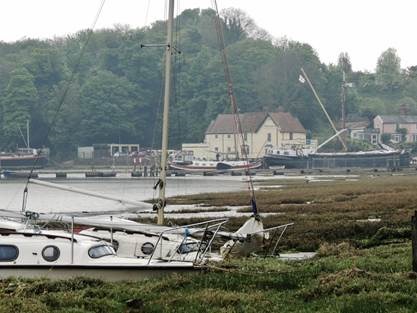
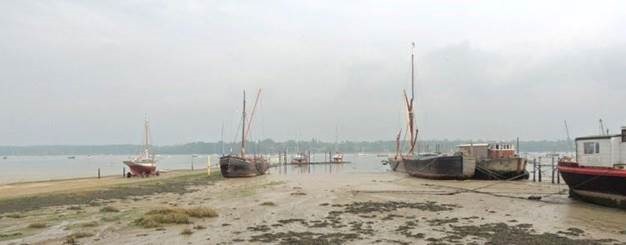
Looking into Butterman’s Bay of the River Orwell and the old time sailing barges

clip_image019

Big ship going up to Ipswich now that the river has been dredged.

Pin Mill Part 2 Our walk along the Bridle Way

Cheers,

    It was a lovely walk in Pin Mill.

Ru

Pin Mill Bridlepath Walk

http://services.eadt.co.uk/http://services.eadt.co.uk/  will give you a map for a walk in the area if you happen to be near Pin Mill.  You walk along the river bank and along plowed fields.  We walked 20 minutes away from Pin Mill towards Chelmondiston and then reversed to get back for our noon reservation.  We had to stop for me to take photos along the way and to just enjoy the scenery.

clip_image001

clip_image002

clip_image003

clip_image004

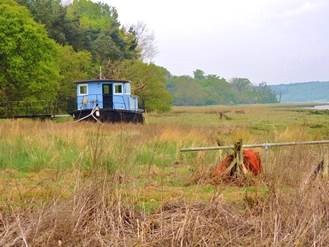
We wondered about this blue barge until we came upon this advert for a “holiday accommodation.”

clip_image005 clip_image006

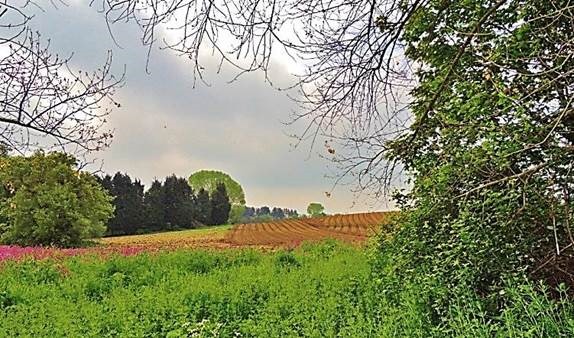
          Plowed fields and purple wild flowers.

clip_image007clip_image008

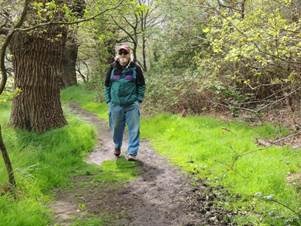
Path through some woods between the Orwell and the farm fields. 

clip_image009

On the way home scenes had a different perspective.

clip_image010clip_image011

Walking through the boat-works in Pin Mill Common back towards the main road to catch the bus back to Ipswich.

clip_image012 clip_image013

You know you are in a place of sailing ships when you see models in windows.

clip_image014

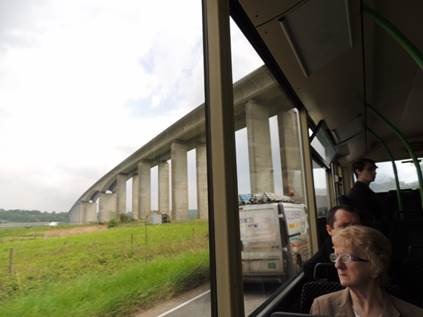
The Orwell Bridge which we sailed under on our trip from London to Ipswich.  It was the only Ipswich landmark on my tea towel that I had no photo of; so now I do. 

“The Orwell Bridge was opened to road traffic in 1982 and carries the A14 (then A45) over the River Orwell just south of Ipswich in Suffolk, England.

The main span is 190 metres which, at the time of its construction, was the longest pre-stressed concrete span in use. The total length is 1,287 metres from Wherstead to the site of the former Ipswich Airport.

The bridge design took into consideration the impact on the Orwell Estuary, as well as the needs of the Port of Ipswich. The location close to the Southern edge of Ipswich was chosen to be convenient for the industrial areas of the West Bank Terminal and Ransomes Industrial Estate on the eastern end. The bridge was set at an angle to the river to get the best relationship to the surrounding terrain. “

http://en.wikipedia.org/wiki/Orwell_Bridge

http://deadinteresting.blogspot.co.uk/2010/07/orwell-bridge.html is a macabre talking about deaths connected with the bridge.

clip_image015

The Orwell Bridge replaced the small, usually busy Stokes Bridge just near the marina.

   “ There have been  number of Stoke Bridges. There are records of a bridge existing on the site from the late 13th Century. The fact that the Domesday Book mentions Saint Mary at Stoke implies that a crossing existed much earlier. An iron bridge engineered by Ransomes was built in 1819, replacing an earlier stone bridge which was swept away in floods. It was replaced – as we show above – by the present southbound bridge which has a plaque celebrating the bridge’s erection over 1924 and 1925. A second bridge to carry northbound traffic was added in the 1982 (shown under construction on our Trinity House buoy page). The bridge was for centuries the southernmost crossing of the river in Ipswich until the construction of the Orwell Bridge in December 1982.  http://ipswich-lettering.org/stokebridge.html